The patient engagement problem
We’ll look at patient engagement as a whole: what it looks like across your caseload, what gets in the way, why “fine” is the most common answer you hear, and the point where engagement most often falls off.
A live bootcamp with Alyssa Antcliff, M.S., CCC-SLP. Day one looks at patient engagement as a whole, and at the point where it most often falls off. On day two you’ll see how clinics solve it, what changes for their patients and their practice when they do, and where Remote Therapeutic Monitoring (RTM) fits. Then on the optional VIP call, a small group works through their own clinic’s situation with Alyssa.
“A needed advance in progress monitoring. Glad to see more SLP-led advances in application development to assist SLPs in making good use of their time.”
Caleb, webinar attendee“Thank you for moving our profession forward.”
Christine, webinar attendeeEvery clinician has seen it. One patient makes steady progress, and another with a similar plan of care stalls. Families start out motivated and then life gets busy. Some are frustrated about a lack of progress, and others still aren’t sure what to do after repeated education.
Then you ask how things are going, and the answer is “fine,” “good,” or “okay.” It’s hard to know what’s working, and even harder to know what to change.
Patient engagement doesn’t fall off evenly. There’s one point in the plan of care where it drops most often, and most clinics don’t have a system for it. That’s where Day 1 ends up.
We have found that patients who truly invest in the RTM HEP program are more engaged and excited about therapy.”
A big win was with a complex feeding case where parents were checking in almost daily and the child was making incredible gains, trying new foods and eating new foods every day!”
We know there’s engagement outside of the therapy room. We know that things are happening.”
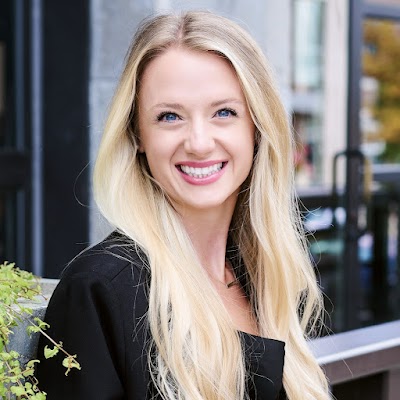
Alyssa is a speech-language pathologist, a former practice owner, and the Co-Founder and CEO of IndiAide. She’s worked in outpatient pediatrics, acute care, inpatient rehab, home health and early intervention, and she built IndiAide after seeing the same patient engagement challenges in every one of those settings. Today she teaches clinicians and clinic owners how to solve them.
We’ll look at patient engagement as a whole: what it looks like across your caseload, what gets in the way, why “fine” is the most common answer you hear, and the point where engagement most often falls off.
We’ll walk through how clinics solve the patient engagement fall off and what changes for their patients and their practice when they do. Remote Therapeutic Monitoring is a big part of that, and Alyssa will show you how it fits, including who can bill and the ways practices set it up.
A small group, limited to 20, working through your clinic’s situation with Alyssa. You’ll get the step-by-step for presenting this to your clinic leaders and implementing it, and you can bring a colleague or leader with you.
For clinicians who want the full picture first
For owners and directors ready to bring this to their clinic
Maybe some patients make steady progress while others with similar plans stall, and it’s hard to tell why. Maybe families start out motivated and then drift. Or maybe you’ve heard of RTM and weren’t sure it applied to speech or OT, or the billing rules felt like a lot to take on with everything else going on. SLPs, OTs and PTs in private practice and outpatient clinics will get the most out of it, along with owners and clinic directors who make the call.
If you already have a system that keeps patients engaged and you’re billing RTM smoothly, you probably know much of what we’ll cover in the free sessions, though the VIP call may still help you bring it to the rest of your team.
No. Patient engagement matters for every discipline, and SLPs, OTs and PTs can all bill RTM.
Register anyway. Free registrants get the recordings of both sessions for 7 days after the bootcamp. VIP seats include the recordings for 6 months.
Everyone who registers gets a worksheet to apply what we cover to your own caseload and clinic, plus helpful resources like our RTM calculator and guide.
No. The bootcamp is about patient engagement and how clinics improve it. You’ll see how IndiAide handles it, and you’re welcome whether or not you ever use it.
Medicare covers RTM nationally. Medicaid and commercial coverage varies by state and payer, and Alyssa will be straight with you if your state isn’t a good bet. You can also run your own numbers with your state and caseload at indiaide.com/rtm-calculator.
Both get the two sessions, the worksheet and the resources. Free seats get the recordings for 7 days. VIP seats get the recordings for 6 months, plus a 60-minute Q&A and implementation call on Oct 20 from 1–2pm ET, the step-by-step for presenting this to your clinic leaders and implementing it, and a spot for a colleague or leader to join you on the call.
Yes. Your VIP seat includes a spot for a colleague or clinic leader. We’ll send you the details after you register.
Yes, as long as spots are still open. VIP is limited to 20 so Alyssa can give everyone focused guidance.
One hour on Oct 13 and one hour on Oct 15, both at noon Eastern, so you can join over lunch. VIP adds one more hour on Oct 20, from 1–2pm ET.